

Vietnam plays an important role in the global furniture industry, both as a manufacturing base and as a market for furniture products, machinery, and production technologies. Its network of furniture manufacturers, export-oriented factories, distributors, and supporting businesses creates opportunities for international companies looking to develop commercial activities in the country.
For foreign businesses, however, entering Vietnam’s furniture market involves more than identifying potential customers or arranging initial meetings. Companies need to understand how their products fit the local market, which customer segments offer realistic opportunities, and what type of local partner can support their commercial objectives.
The approach depends on the business. A European furniture brand looking to sell in Vietnam may need access to retailers, project developers, interior design firms, or local distributors. A machinery manufacturer supplying woodworking equipment may instead need relationships with furniture factories, industrial equipment distributors, technical service providers, and system integrators.
These businesses operate within the same industry but face different market entry requirements. Furniture companies must understand product positioning, distribution channels, pricing, and customer preferences. Machinery suppliers need to assess factory investment priorities, technical requirements, equipment compatibility, and after-sales service expectations.
In both cases, online research, trade exhibitions, and business introductions can help establish initial contacts. However, these activities rarely provide enough evidence to determine whether a potential partner can generate sales, reach the right customers, or support long-term commercial development.
A structured market entry process helps companies move from general market research to partner qualification and practical implementation. This process involves three stages: assessing market opportunities, identifying and qualifying local partners, and developing a market entry strategy that can be tested and refined.
Understanding the Business Environment
Vietnam’s furniture ecosystem includes manufacturers serving international buyers, businesses supplying the domestic market, furniture retailers, interior contractors, and companies providing materials, machinery, and production technologies.
Understanding how these businesses interact is important when deciding where to focus market entry efforts.
Foreign furniture brands may compete with locally manufactured products, established international brands, and furniture imported through existing distribution networks. Their commercial prospects depend on factors such as product design, material quality, price positioning, delivery conditions, and the ability to reach relevant customer segments.
For machinery and equipment suppliers, the opportunity depends on a different set of considerations. Furniture factories may invest in CNC machining, panel processing, cutting, sanding, finishing, automation, or other production technologies to address specific operational needs. However, equipment purchasing decisions depend on the factory’s product mix, production volume, available budget, existing machinery, and expected return on investment.
The presence of a large furniture manufacturing base does not automatically mean that every factory is a suitable customer. Likewise, a furniture product that performs well in Europe or another international market may not achieve the same results in Vietnam without adjustments to its pricing, distribution, or positioning.
Companies should therefore assess the market from the perspective of their actual offering and commercial objectives rather than relying on general industry growth or the reputation of Vietnam as a furniture manufacturing hub.
Phase 1: Market Assessment and Opportunity Mapping
Before approaching potential partners, companies should determine which opportunities are commercially relevant and what conditions they must meet to succeed.
Identifying the Right Customer Segments
The first step is to define the target customers for the product or service.
For furniture brands and manufacturers, potential customer segments may include:
- Furniture retailers and specialized showrooms.
- Interior design firms and interior contractors.
- Hotels, restaurants, offices, and other commercial projects.
- Property developers and businesses furnishing residential or commercial developments.
- Distributors and importers serving specific product categories or regions.
- Corporate buyers seeking furniture for their own facilities.
These segments have different purchasing processes. Retailers may prioritize product turnover, margins, stock availability, and consistent replenishment. Interior contractors and project buyers may place greater emphasis on specifications, customization, delivery schedules, installation, and coordination across multiple products.
A foreign company should determine which segments best match its product range, pricing, and delivery capabilities before building a partner list.
For machinery suppliers, the target customer profile should be defined according to production processes and investment needs rather than factory size alone.
Relevant prospects may include manufacturers working with solid wood, engineered wood, panels, or mixed materials. Their requirements can vary depending on whether they produce standardized furniture in large volumes, customized furniture for individual projects, or specialized products for export markets.
A factory operating older equipment may have a potential need for modernization, but its purchasing priorities will still depend on production bottlenecks, available investment, technical resources, and expected productivity gains.
The objective is to identify businesses with a relevant need and a realistic ability to purchase, not simply to compile a list of furniture companies in Vietnam.
Assessing Competition and Commercial Positioning
Once the target segments have been defined, companies should assess how their offerings compare with existing alternatives.
For furniture products, the assessment may cover competing brands, product styles, materials, dimensions, retail prices, delivery conditions, and available customization. Companies should also understand whether customers typically purchase through showrooms, online channels, project contractors, or established distributors.
A product positioned as premium furniture may require a different distribution strategy from a competitively priced product intended for broader retail sales. Its market entry plan should reflect the purchasing expectations and sales channels of the intended customer segment.
For machinery suppliers, the relevant comparison includes equipment capabilities, production output, accuracy, operating costs, automation levels, technical support, and spare-part availability. Buyers may compare international equipment brands with locally available alternatives or lower-cost imported machines.
Price alone is rarely sufficient to explain the value of industrial equipment. Suppliers should understand which operational problems their technology can solve and how the expected benefits relate to the factory’s production requirements.
For example, a manufacturer considering CNC equipment may be more interested in reducing manual operations, improving cutting accuracy, or handling a wider variety of designs than in purchasing a machine with the highest nominal output.
Understanding these priorities helps foreign companies develop a commercial proposition based on the needs of Vietnamese customers rather than relying exclusively on product specifications.
Mapping Regional Opportunities and Commercial Channels
Vietnam’s regional business landscape can influence customer access, distribution, logistics, and partner selection.
Northern Vietnam has significant industrial activity, including manufacturing clusters around Bac Ninh, Hai Phong, and other industrial areas. These locations may be relevant to companies targeting industrial customers or factories operating within broader manufacturing networks.
Southern Vietnam has a broad commercial and industrial ecosystem around Ho Chi Minh City, Binh Duong, Dong Nai, and Long An. Businesses seeking access to furniture manufacturers, distributors, interior contractors, and commercial customers may find relevant prospects across these areas.
These regional descriptions are starting points rather than fixed rules. A suitable distributor may serve customers nationwide, while a machinery supplier may need to prioritize factories in several regions rather than concentrating on a single location.
Companies should map prospective customers and partners according to their actual commercial role. A furniture brand may prioritize access to showrooms, project developers, or design firms. An equipment supplier may prioritize factories with relevant production processes and sufficient technical and investment capacity.
The objective is to identify where commercial opportunities are concentrated and which channels offer the most practical route to those customers.
Defining the Market Entry Requirements
Before beginning partner outreach, companies should define the commercial and operational requirements their local partners must meet. These requirements differ depending on whether the business sells furniture products or machinery and equipment to furniture manufacturers.
| Assessment Area | Furniture Brands and Product Suppliers | Furniture Machinery and Equipment Suppliers |
| Target Customers | Identify relevant customer segments, such as furniture retailers, showrooms, interior contractors, project developers, and commercial buyers. | Identify suitable furniture factories based on their production processes, equipment needs, and investment priorities. |
| Product and Market Positioning | Define product categories, design preferences, quality expectations, and competitive positioning in the target segment. | Define equipment specifications, technical capabilities, and compatibility with customers’ existing production lines. |
| Pricing and Commercial Terms | Establish competitive retail or project pricing, distributor margins, payment terms, and expected sales conditions. | Assess equipment pricing, payment terms, financing options, and the expected return on investment for customers. |
| Distribution and Logistics | Determine import arrangements, warehousing, delivery, inventory management, and distribution coverage. | Determine equipment delivery, transportation to the factory, installation, commissioning, and related logistical requirements. |
| Sales and Marketing Support | Define requirements for product samples, showroom displays, catalogues, marketing materials, and promotional activities. | Determine the need for technical presentations, equipment demonstrations, customer visits, and sales engineering support. |
| Technical and After-Sales Support | Assess requirements for customization, installation, warranty handling, customer service, and product maintenance where applicable. | Establish requirements for operator training, maintenance, troubleshooting, spare parts, and technical response times. |
| Regulatory and Documentation Requirements | Identify applicable import requirements, product standards, labeling, and product-specific documentation. | Identify applicable import requirements, equipment standards, technical documentation, and safety requirements. |
These requirements provide a practical basis for selecting and evaluating potential partners. They also help companies determine whether a local distributor can manage the commercial relationship independently or whether additional technical, logistical, or operational support will be necessary.
Phase 2: Partner Identification and Qualification
After defining the market opportunity and target customer profile, companies can begin identifying potential local partners.
The objective is not to find the largest distributor or the most established business in the industry. It is to identify organizations with the right customer access, commercial capabilities, resources, and willingness to develop the proposed business.
Choosing the Right Channels to Identify Partners
Several channels can support partner identification in Vietnam. A combination of digital research, industry networks, institutional introductions, trade exhibitions, and direct outreach often provides a stronger starting point than relying on a single source.
Trade promotion organizations, chambers of commerce, and industry associations can help companies understand the local business environment and identify relevant businesses. Depending on the sector and program, organizations such as VIETRADE, EuroCham, and AmCham may provide access to business networks, events, and matchmaking opportunities.
Furniture exhibitions and woodworking machinery events can also be useful for meeting potential partners and understanding how companies position their products. Furniture exhibitions may help brands identify distributors, retailers, and project-related businesses. Machinery exhibitions can provide access to equipment dealers, factory representatives, technical specialists, and potential end customers.
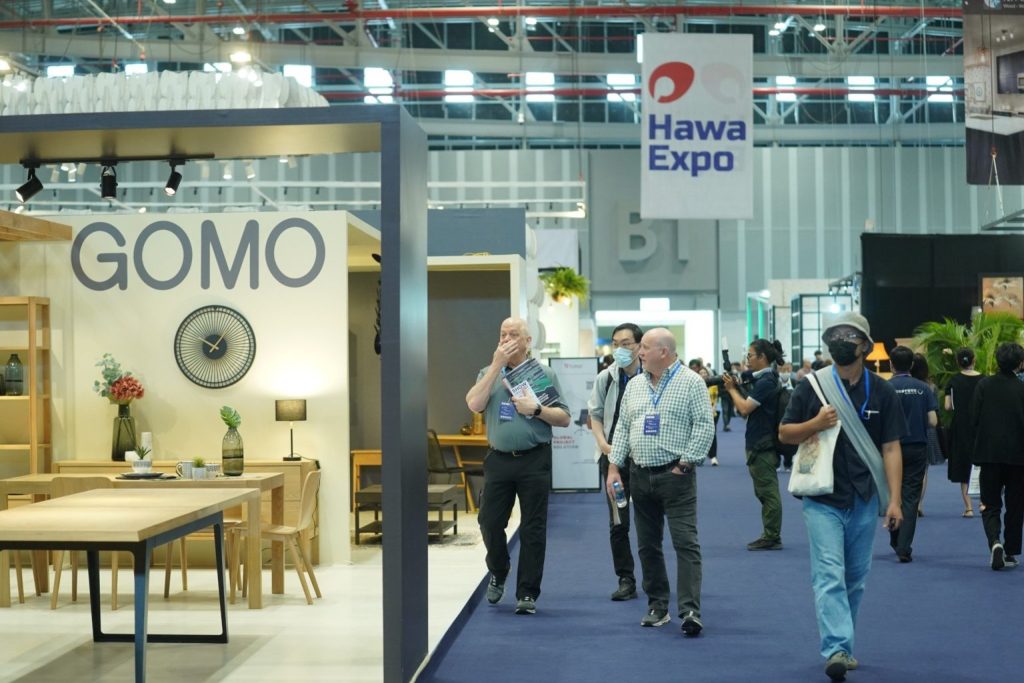
However, exhibition participation does not automatically establish a company’s commercial capability. A business may attend an event to explore opportunities without having the resources or intention to become a distributor or long-term partner.
Digital research can help build an initial list of candidates and assess their product portfolios, customer segments, geographic coverage, and existing business activities. Direct introductions and local industry knowledge can then help companies determine which candidates merit further attention.
The channels used should reflect the intended partner type. A furniture brand seeking a retail distributor will need a different search approach from a machinery manufacturer looking for an industrial equipment dealer with installation and maintenance capabilities.
Screening Potential Partners Before Detailed Discussions
An initial list should be screened against clearly defined criteria before companies invest substantial time in meetings or negotiations.
For furniture brands, the first review should examine whether a potential partner already serves the intended customer segment and product category. Relevant factors may include its showroom network, retail presence, relationships with interior designers or project contractors, sales team, and experience with imported furniture.
Companies should also assess whether the candidate’s existing product portfolio complements the proposed brand. A distributor may have access to the right customers but limited incentive to promote another product if it directly competes with its existing lines.
For machinery suppliers, screening should focus on the candidate’s access to furniture manufacturers, experience with industrial equipment, technical sales capabilities, and ability to support installation, training, maintenance, and spare parts.
A distributor that is experienced in selling general industrial products may not necessarily have the technical knowledge or customer relationships needed to sell specialized woodworking machinery.
Basic due diligence should also cover legal identity, business history, ownership where relevant, reputation, and material commercial risks. References and direct discussions can help establish whether the candidate’s stated capabilities are supported by practical experience.
An introduction through an established network can improve access, but it should not replace independent verification.
Evaluating Commercial and Operational Fit
A potential partner should be assessed according to its ability to support the specific market entry objectives.
Partner Qualification Criteria by Business Type
| Assessment Area | Furniture Distribution | Furniture Machinery and Equipment |
|---|---|---|
| Customer Access | Existing relationships with retailers, project buyers, interior designers, and other relevant customer groups. | Established relationships with furniture manufacturers and familiarity with their production processes. |
| Sales Capability | Sales resources, product knowledge, account management, and the ability to develop new business. | Technical sales expertise, ability to understand customer requirements, and explain the practical benefits of the equipment. |
| Distribution and Technical Support | Showrooms, geographic coverage, delivery arrangements, and stock management where required. | Resources or qualified partners for installation, commissioning, and initial equipment operation. |
| Portfolio Compatibility | Alignment with existing brands, product categories, price positioning, and target customers. | Compatibility with the partner’s existing product portfolio, customer base, and technical expertise. |
| After-Sales Service | Ability to manage customer enquiries and coordinate product-related support when needed. | Capacity to provide maintenance, troubleshooting, training, and access to spare parts. |
| Commercial Commitment and Capacity | Willingness to invest in samples, displays, marketing, inventory, and business development. | Ability to manage the sales cycle, coordinate equipment demonstrations, and support customer investment discussions. |
Both types of partnership also require clear communication, realistic expectations, and compatible commercial objectives.
A weighted evaluation scorecard can help companies compare shortlisted candidates consistently. The relative importance of each criterion should reflect the business model. A retail distributor may be evaluated heavily on customer access and sales coverage, while a machinery partner may require stronger technical and service capabilities.
The scorecard should support professional judgment rather than replace it. Important gaps in technical capability, conflicting commercial interests, or concerns about the partner’s commitment may require further investigation even when the overall assessment appears positive.
Organizing Business Matching and Commercial Discussions
Once suitable candidates have been shortlisted, companies can arrange targeted discussions to assess whether a viable commercial relationship exists.
Meetings should have a clear objective. Rather than simply introducing a product catalogue, the foreign company should explain its target market, value proposition, expectations, and proposed cooperation model while learning how the potential partner operates.
For furniture brands, discussions may cover product selection, target customer segments, showroom presentation, pricing, distributor margins, inventory, marketing responsibilities, and delivery arrangements.
For machinery suppliers, discussions may focus on the types of factories the partner serves, equipment categories, customer investment priorities, technical demonstrations, sales responsibilities, and after-sales service arrangements.
Companies should also understand how the partner intends to generate business. A distributor’s existing customer list may be useful, but it is important to establish whether it has the resources and motivation to actively develop the proposed products.
Following each meeting, the main findings, unresolved questions, risks, and next steps should be documented. Additional verification or technical discussions may be needed before the company commits to a partnership.
Business matching creates access to potential partners. Qualification determines whether those relationships are commercially viable.
Phase 3: Market Entry Planning and Implementation
After identifying suitable partners, companies need to determine how to structure the relationship and translate the market opportunity into practical commercial activities.
The appropriate approach depends on the product, customer segment, investment requirements, and level of local support needed.
Selecting the Right Market Entry Model
Foreign furniture companies may enter Vietnam through an independent distributor, an importer, selected retail partners, project-based commercial relationships, or direct sales to customers. Some may eventually establish their own local operation if market demand and commercial requirements justify the investment.
A distributor can provide access to existing customers and local sales channels, but the arrangement requires clear expectations about product positioning, marketing, stock availability, sales targets, and customer service.
For machinery suppliers, potential models include working with an industrial equipment distributor, appointing a specialized technical partner, selling directly to factories, or combining direct sales with local installation and maintenance support.
Direct sales may provide closer access to customer requirements and greater control over technical discussions. However, the supplier must ensure that it can manage customer communication, demonstrations, installation coordination, and after-sales support effectively.
A local partner can reduce the need to build every capability internally, but the foreign company still needs to define its responsibilities and maintain sufficient visibility over customer relationships and commercial performance.
The choice should reflect the company’s objectives, resources, expected sales potential, and required level of control. Establishing a local legal entity is a separate decision that should be assessed according to the proposed activities and applicable legal and regulatory conditions.
Addressing Commercial, Legal, and Operational Requirements
Before launching the relationship, both parties should clarify the practical conditions needed to serve the market.
For furniture products, these may include product specifications, samples, pricing, import responsibilities, delivery schedules, inventory arrangements, installation requirements, and procedures for handling damaged or defective goods.
For machinery and equipment, the parties may need to define technical specifications, site requirements, installation responsibilities, commissioning procedures, operator training, warranty coverage, spare parts, and maintenance arrangements.
Commercial agreements should clearly define the scope of cooperation, territory where applicable, pricing and payment terms, sales responsibilities, performance expectations, confidentiality, use of trademarks and marketing materials, and procedures for handling disputes or termination.
Exclusivity should be considered carefully. Granting exclusive distribution rights without clear performance expectations may limit the company’s ability to develop the market if the partner does not generate sufficient business.
Relevant legal and regulatory requirements should also be reviewed for the actual product and business model. Depending on the circumstances, these may involve import requirements, product standards, labeling, business licensing, taxation, or other sector-specific obligations.
Companies should obtain qualified legal and tax advice where necessary rather than assuming that a standard distribution agreement or an informal understanding is sufficient.
Testing the Market Before Scaling
Before committing substantial resources, companies should test their assumptions through a practical commercial initiative.
For a furniture brand, this may involve introducing a selected product range to a limited number of retailers, presenting samples to project buyers, testing customer response to different price points, or working with a partner on an initial sales campaign.
The objective is to understand whether customers accept the product’s design, quality, pricing, delivery conditions, and positioning. Feedback can help companies refine the assortment, marketing approach, and distribution strategy before expanding.
For machinery suppliers, the initial test may involve identifying a group of relevant factories, arranging technical discussions, demonstrating equipment capabilities, or developing a proposal around a specific production challenge.
A demonstration should connect the equipment’s capabilities with the customer’s actual needs. Depending on the project, the discussion may focus on productivity, accuracy, material utilization, labor requirements, production flexibility, or operating costs.

Companies should also establish whether the partner can manage technical questions, coordinate customer visits, and support the sales process through to an actual purchase.
Results should be evaluated against agreed objectives. These may include qualified leads, customer meetings, sample evaluations, demonstration requests, quotation opportunities, conversion rates, or initial orders.
If results fall short of expectations, companies should identify the reasons before expanding further. The issue may relate to product positioning, pricing, customer targeting, partner commitment, or the assumptions made during the initial market assessment.
Testing the market provides evidence for adjusting the strategy rather than relying solely on initial interest or verbal commitments.
Managing the Partnership and Building Long-Term Growth
Market entry does not end when the first order is secured or a distribution agreement is signed. Continued performance depends on how effectively both parties manage their responsibilities and respond to changing market conditions.
Companies should establish measurable objectives and a regular review process.
For furniture brands, performance indicators may include sales by product category, active retail accounts, project opportunities, stock turnover, delivery performance, and customer feedback.
For machinery suppliers, relevant indicators may include qualified factory leads, technical meetings, equipment demonstrations, quotations, order conversion, installation performance, and after-sales response times.
The review process should also examine whether the partner is investing sufficient effort in developing the business. A distributor that reports general market interest but cannot demonstrate concrete sales activities may require a different support approach or a reassessment of the partnership.
Regular communication helps both parties address operational issues, review customer feedback, and identify new opportunities. It also creates a basis for adjusting product offerings, sales priorities, and commercial arrangements as the market develops.
Trust and local relationships are important, but they should be supported by clear responsibilities, documented agreements, and consistent performance monitoring.
Conclusion
Entering Vietnam’s furniture market requires more than identifying potential customers or appointing a local distributor. Foreign companies need to understand their target segments, assess the competitive environment, and determine which commercial channels can support their objectives.
For furniture brands, the priority is to identify partners with relevant customer access, distribution capabilities, and the commitment to develop the product range. For machinery and equipment suppliers, success depends on reaching the right factories, understanding their production needs, and providing the technical and after-sales support required to convert interest into sales.
A structured process begins with market assessment and opportunity mapping, followed by partner identification and qualification. Companies can then select an appropriate market entry model, test their commercial approach, and refine the strategy based on actual results.
The objective is not simply to establish a presence in Vietnam. It is to build a commercially viable route to the right customers through local partnerships that can support sustainable business development.