
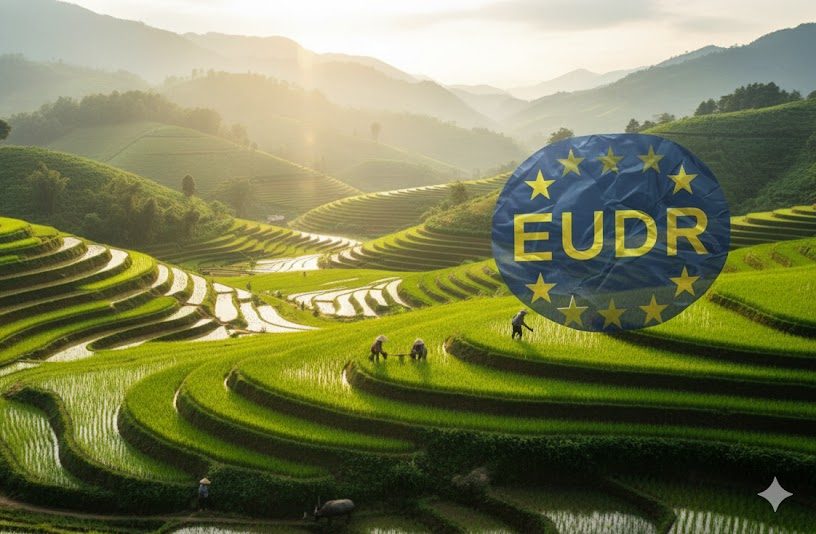
Starting in December 2025, the EU Deforestation Regulation (EUDR) will take effect, reshaping how Vietnamese exporters trade commodities such as coffee, rubber, wood, cocoa, and leather. The regulation requires importers and exporters to prove that their goods do not come from deforested or degraded land after December 31, 2020.
For Vietnam, one of the EU’s key sourcing partners, EUDR compliance is no longer optional. It’s a new standard for doing business in Europe.
This guide breaks down what EUDR means, who it affects, and a step-by-step checklist for importers of “made in Vietnam” products to stay compliant and build a resilient supply chain.
What is the EUDR and Why It Matters
The European Union Deforestation Regulation (EUDR) aims to cut the EU’s contribution to global deforestation. It covers products such as:
- Coffee and cocoa
- Palm oil
- Rubber
- Soy
- Cattle and leather
- Wood and wood-based products
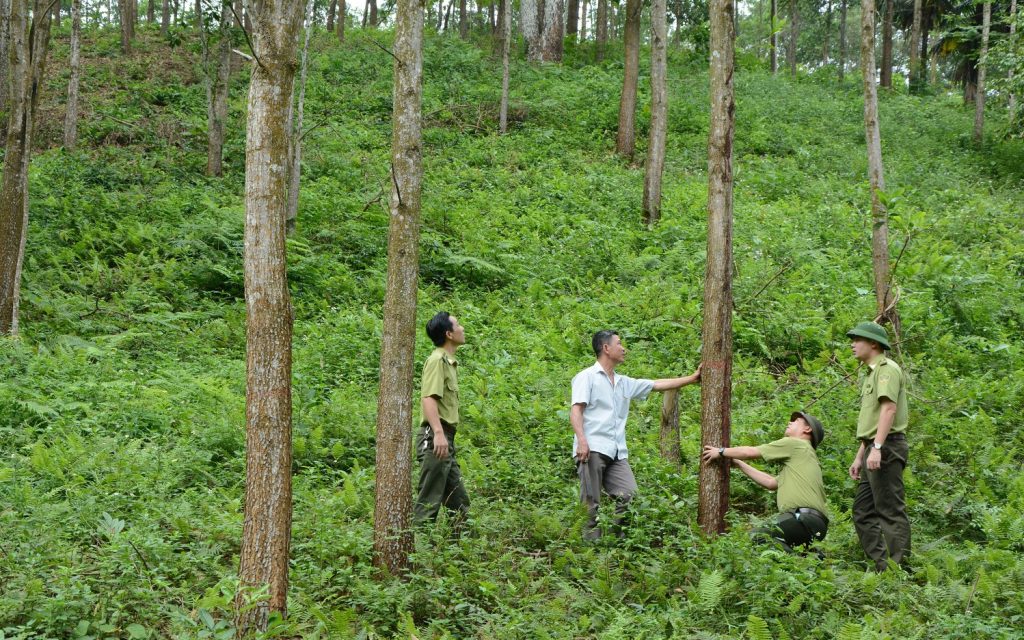
Exporters must ensure their goods are both deforestation-free and legally produced. The EU requires full traceability from the farm or forest of origin to the final export.
Vietnam, as a major supplier of coffee, rubber, and wooden furniture, is directly in the spotlight. Businesses that fail to meet the new due diligence requirements may face shipment rejection, financial penalties, or loss of access to the EU market.
Who Must Comply
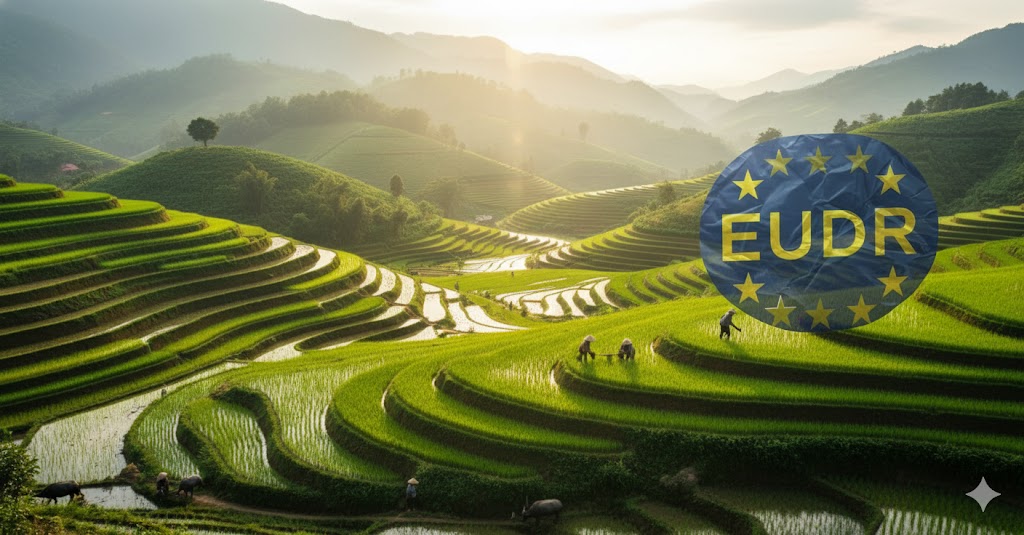
The EUDR applies to:
- Exporters selling regulated goods to the EU
- Manufacturers using these commodities as inputs
- Traders, distributors and importers handling EU-bound supply chains
Even SMEs and cooperatives exporting indirectly (through EU importers) are expected to provide traceability data. Large buyers in Europe are already asking suppliers in Vietnam for geolocation coordinates, legality proofs, and due diligence reports to prepare for the regulation.
The 7-Step EUDR Compliance Checklist
Here’s a practical checklist to help Vietnamese exporters get ready:
| Step | Action | What to Do |
| 1. Identify Your EUDR Products | Review your export portfolio. | Check if your goods fall under EUDR categories (coffee, rubber, wood, etc.). |
| 2. Map Your Supply Chain | Collect farm or plantation data. | Use GPS coordinates to identify where raw materials come from. |
| 3. Verify Land Legality | Ensure no deforestation since Dec 31, 2020. | Cross-check with local land-use records and forest maps. |
| 4. Conduct Due Diligence | Document supplier compliance. | Gather evidence of legal harvest, ownership, and deforestation-free sourcing. |
| 5. Create Traceability Records | Digitalize your data. | Build a record-keeping system that links every shipment to its origin. |
| 6. Submit Due Diligence Statements | For EU buyers. | Provide official documentation or share digital files upon request. |
| 7. Monitor and Update Regularly | Stay compliant. | Review your data quarterly and update any changes in supply sources. |
Tip: Start by training suppliers and cooperatives on geolocation data and legality documents. Many noncompliance risks come from missing or inaccurate data at the farm level.
Digital Traceability for Vietnam’s Wood Products under EUDR
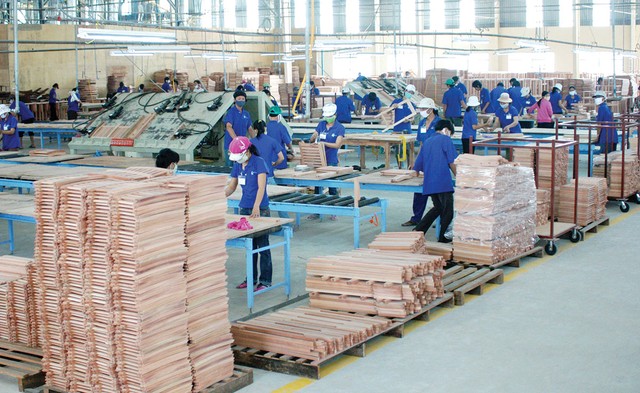
Technology will play a big role in EUDR readiness for the wood and wooden products sector.
Exporters should explore:
- GIS or satellite tools for mapping forest areas and timber plantations
- Blockchain-based traceability systems to ensure transparent wood supply chains from harvest to export
- EUDR-compliance platforms such as Trase, Satelligence, or national systems supported by Vietnam’s Ministry of Agriculture & Rural Development (MARD)
Several pilot projects are underway in Vietnam’s Central Highlands (for plantation timber) and Binh Dinh–Dong Nai (for furniture and wood processing) to test EUDR traceability solutions. Companies that digitalize early will gain a strong competitive advantage in meeting EU market requirements.
However, while technology offers great potential, implementation remains challenging for small and medium-sized wood exporters due to cost, data management, and limited technical expertise. Support programs and industry collaboration will be key to bridging this gap.
Risks and Opportunities from EUDR
While compliance may seem costly at first, meeting EUDR standards can open doors:
- Access to premium EU buyers that prioritize sustainability.
- Stronger brand reputation and credibility in global markets.
- Lower risk of rejection or shipment delays.
Conversely, exporters who delay preparation face increasing barriers, especially as EU importers tighten supplier audits and demand end-to-end proof of origin.
How Vietnam is responding
The Vietnamese government has taken early steps to align with EUDR goals.
- MARD and MONRE are drafting national traceability frameworks.
- The EU–Vietnam Sustainable Trade Roadmap (2025–2030) will include forest governance reforms.
- Local authorities in Gia Lai, Dak Lak, and Lam Dong are setting up digital mapping pilots for smallholder coffee and rubber plantations.
With cross-sector collaboration, Vietnam can turn EUDR compliance into a green competitiveness advantage, not a barrier.
Conclusion: Turning Compliance into Opportunity
EUDR marks a major shift for Vietnamese exporters, which went from cost-driven trade to profit-driven sustainability. Early movers that invest in traceability, data transparency, and farmer engagement will be best positioned to thrive in the new era of responsible trade.
For a full breakdown of Vietnam’s trade readiness and sustainability roadmap, download FVSource latest White Paper: “EU Deforestation Regulation (EUDR): Overview and Implications for Vietnam.” It includes data insights, compliance frameworks, and case studies to help your business export smarter, faster, and greener.