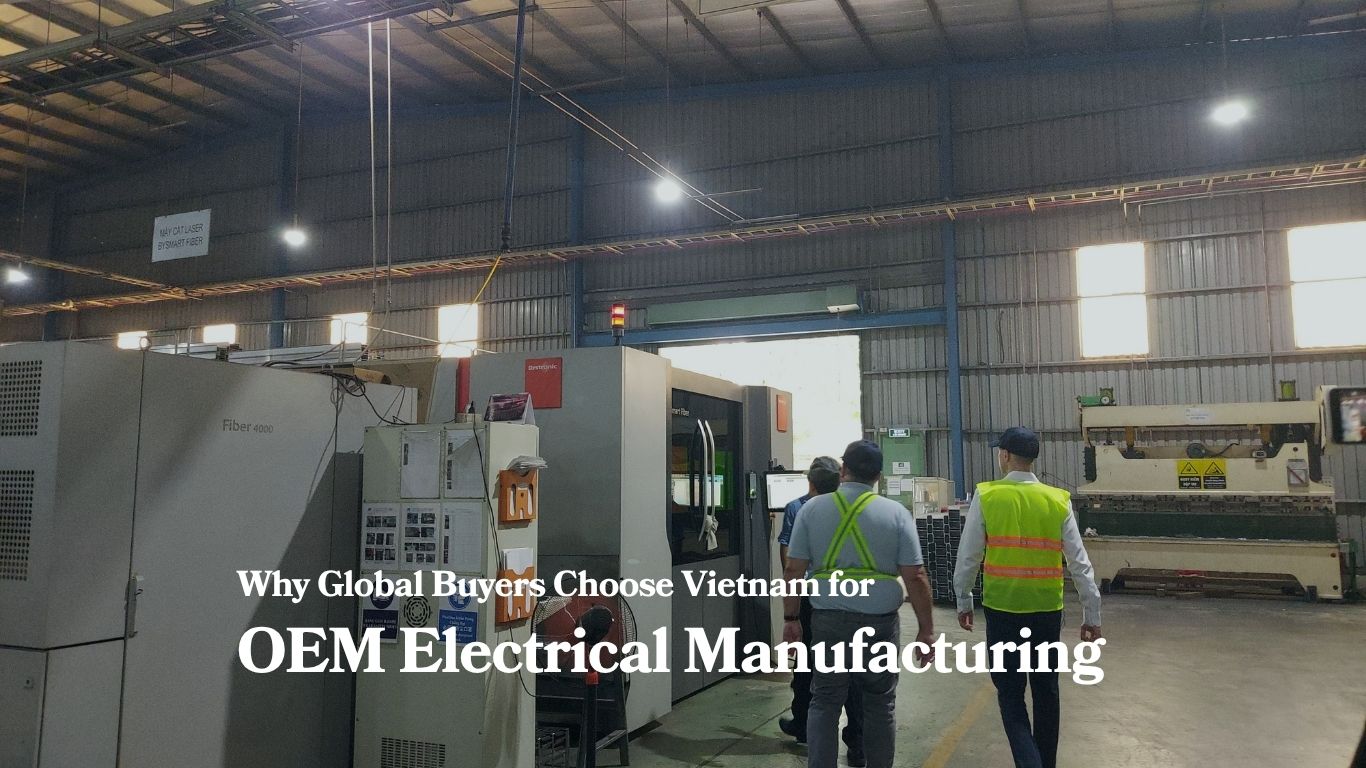


The words “Made in Vietnam” have become a global symbol of affordability, efficiency, and growing quality — often seen on garments, electronics, furniture, and countless other products. But what does it actually look like inside the factories that power Vietnam’s manufacturing rise?
In 2026, factory tours across Vietnam are revealing a deeper story — one of strategic transformation, international compliance, and a growing shift from low-cost production to high-value manufacturing. From bustling electronics lines to sustainable garment facilities, touring Vietnamese factories offers a behind-the-scenes view into how Vietnam is shaping the future of global supply chains.
Why Vietnam Factory Tours Matter in 2026
Whether you’re a global buyer, sourcing agent, or supply chain executive, factory tours in Vietnam are no longer just a courtesy; they’re a critical part of supplier selection and due diligence. As brands demand more transparency and accountability, seeing a factory in action allows you to evaluate more than just price:
- Is the production process efficient and standardized?
- Are working conditions compliant with international labor standards?
- Do the factories follow lean, sustainable, or automated manufacturing practices?
- Can they scale for larger export orders and meet strict timelines?
In a market where the label “Made in Vietnam” is no longer just about cost-saving but about quality and reliability, factory tours are the bridge between branding and reality.
Watch: Inside Real Factories Across Vietnam
If you’re curious to see what these factories really look like, check out our video tour across four major manufacturing sites in Central Vietnam. From modern PCBA lines to certified garment and furniture factories, this tour gives you a rare look into how “Made in Vietnam” is evolving.
Inside the “Made in Vietnam” Supply Chain: What You’ll See
During a typical Vietnam factory tour, you’ll likely visit facilities in sectors such as furniture, electronics (PCBA), garments, and automotive components — all of which are thriving across the country.
1. Furniture Factories in Central Vietnam
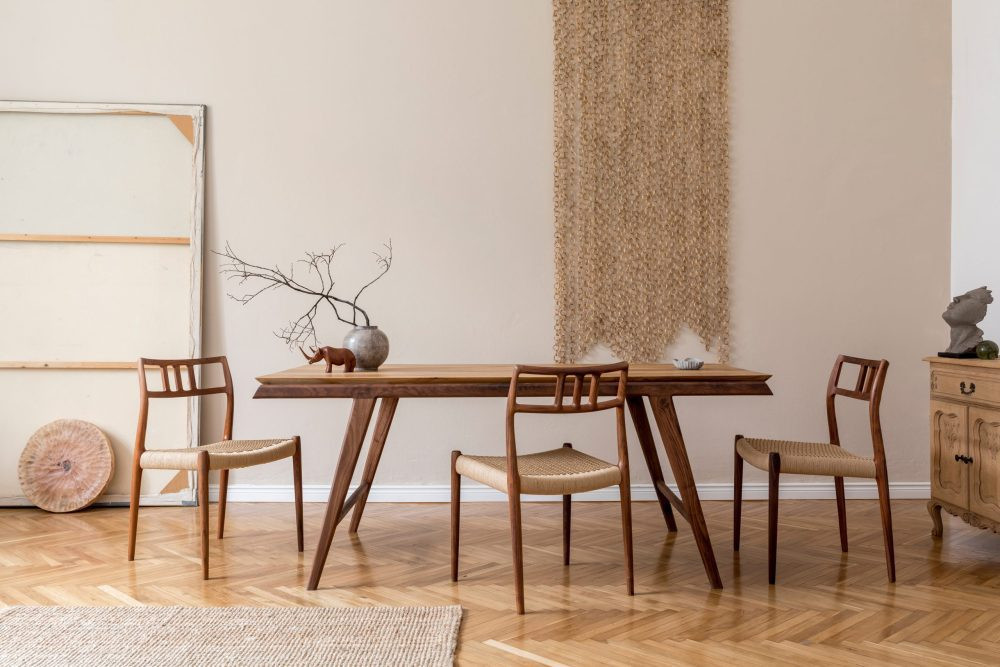
In provinces like Hue and Quang Nam, furniture factories export to Europe, the US, and Australia. These modern facilities use CNC machines, automated wood-cutting systems, and eco-friendly coatings. Many hold FSC certifications and follow strict quality control (QC) protocols, offering both mass production and bespoke solutions for global clients.
2. Electronics & PCBA Facilities
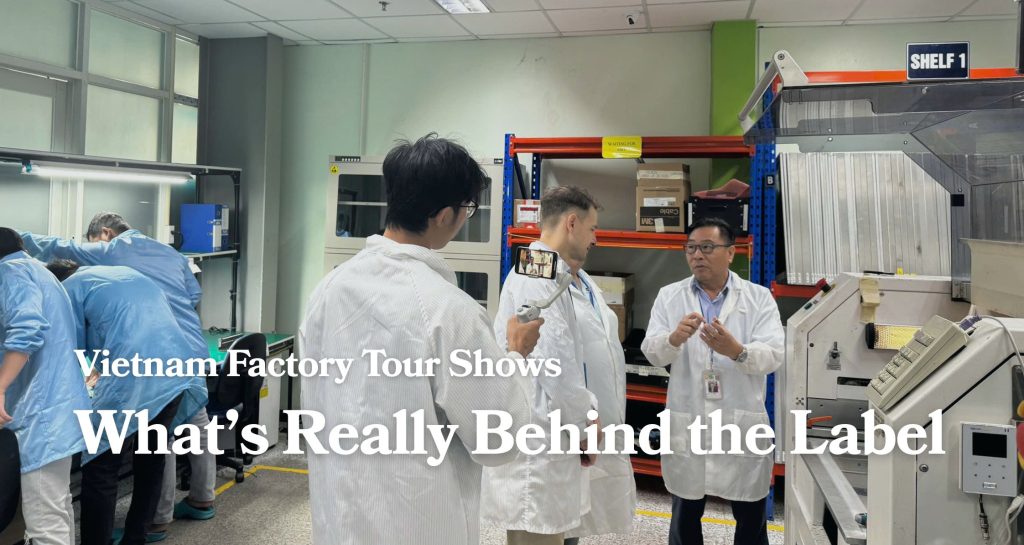
You’ll witness SMT (Surface Mount Technology) lines, clean rooms, and visual inspection stations for printed circuit boards. Vietnam is rapidly emerging as a hub for EMS (Electronics Manufacturing Services), and factory tours show how mid-sized Vietnamese firms are partnering with global OEMs to deliver high-precision components for consumer electronics, IoT, and industrial devices.
3. Garment and Outerwear Factories
In Chu Lai and other industrial zones, you’ll see large-scale garment factories producing workwear, outerwear, and woven clothing. These factories often follow lean manufacturing systems, with assembly lines optimized for low wastage and high speed. QC teams handle everything from fabric testing to final inspections before packing and export.
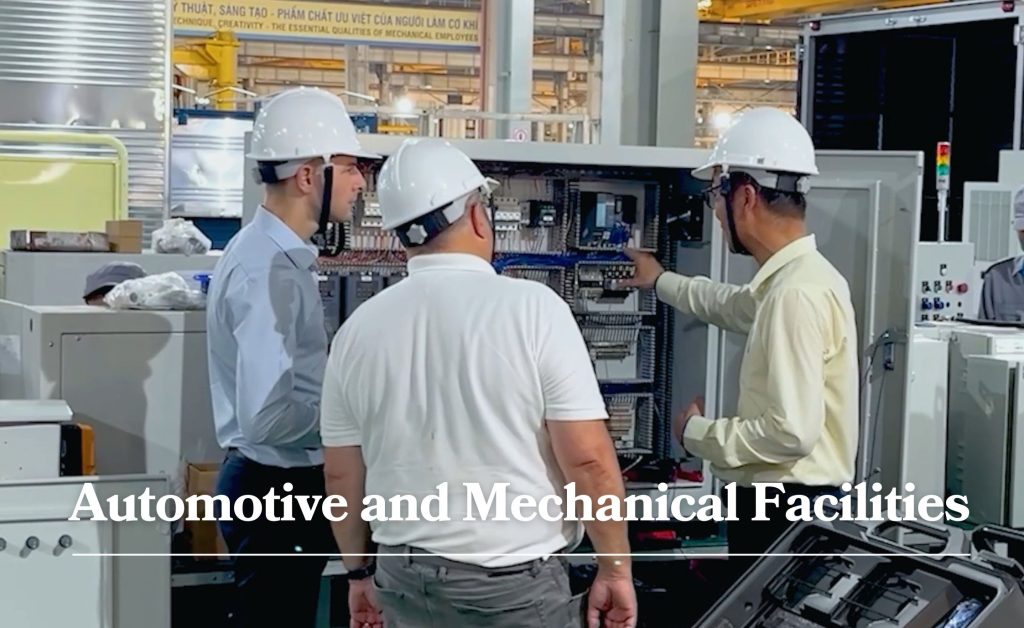
4. Automotive and Mechanical Facilities
A visit to industrial giants like Thaco Industries reveals a highly organized operation — from component casting and robotic welding to full vehicle assembly lines. This shows how Vietnam’s industrial sector is moving beyond basic assembly to value-added production with R&D, tooling, and export capabilities.
Why a Factory Tour in Vietnam is a Necessity for Furniture Sourcing
Vietnam has firmly established itself as a global leader in furniture exports, surpassing traditional sourcing hubs in growth, quality, and commitment to international standards. For any serious international buyer, the decision to source furniture from Vietnam is strategic, but the success of that strategy hinges on one critical step: conducting an in-person factory tour. Relying solely on polished websites, digital catalogs, and email correspondence is a recipe for risk. A physical visit is not merely a formality; it is an indispensable necessity for effective vetting, quality assurance, and long-term partnership building.
Verifying Production Reality vs. Digital Promise
The most fundamental reason for a factory tour is to close the gap between a supplier’s digital presentation and their operational reality. A professional-looking website often obscures the true conditions of the production floor.
- Audit of True Capacity and Machinery: An in-person visit allows you to visually inspect the actual scale and modernity of the equipment. You can confirm the factory possesses the required CNC machinery, drying kilns, finishing lines, and dust extraction systems necessary for your specific product type (e.g., high-volume knock-down furniture versus high-end artisanal pieces). Seeing the raw materials storage, especially moisture content control for wood, is non-negotiable for quality assurance.
- Assessing Production Flow and Efficiency: By observing the production line—from the cutting of raw timber to final packaging—you can assess the factory’s efficiency and organization. Bottlenecks, poor layout, and disorganized workflows are immediate red flags that predict delayed lead times and inconsistent quality. An audit allows you to confirm if their claimed capacity can realistically meet your Minimum Order Quantity (MOQ) and delivery schedules.
The Critical Quality Control and Craftsmanship Check
Vietnamese furniture is renowned for its quality, but this varies significantly between manufacturers. The tour is your ultimate Quality Control (QC) audition.
- The “In-Line” QC Process: You can directly inspect where and how quality checks are integrated into the production line. Do they only check the final product, or is there rigorous inspection after key stages like cutting, sanding, assembly, and finishing? This is where you verify the factory’s actual commitment to the quality systems (like ISO 9001) listed on their certificates.
- Inspecting Joinery and Finishing: For wooden furniture, the quality of the joinery (e.g., mortise and tenon, dovetails) cannot be assessed via a photograph. You need to examine how parts are glued, clamped, and finished. For upholstery, you must inspect the raw frame construction and the material cutting process. Seeing a finish applied in the spray booth reveals more about the final product’s durability and consistency than any sample swatch.
- Sustainable and Ethical Sourcing Vetting: Vietnam is a leader in sustainable wood furniture. A factory tour is essential for verifying certifications like FSC (Forest Stewardship Council). You can review the factory’s Chain-of-Custody documentation and check the storage of certified materials, ensuring that your products genuinely meet the necessary ethical and environmental standards.
Building Essential Trust and Partnership
In Vietnamese business culture, personal relationships are paramount. Successful long-term sourcing is built on trust, which digital communication simply cannot establish.
- Establishing Face-to-Face Trust: Meeting the factory owner, production manager, and the dedicated export team in person demonstrates a serious commitment to a long-term partnership. This gesture fosters goodwill, which can prove invaluable when inevitable production challenges (like material delays or design changes) arise.
- Effective Communication and Negotiation: Direct, face-to-face communication allows for complex technical specifications and sensitive price negotiations to be handled with clarity and mutual understanding, circumventing potential language and cultural barriers inherent in email exchanges. You gain an immediate read on the team’s responsiveness and technical competency.
Strategic Location and Logistics Assessment
Vietnam’s furniture industry is concentrated in key manufacturing clusters. Visiting these areas allows for logistical foresight.
- Cluster Concentration: Most major export-oriented factories are located in the Southern clusters (Bình Dương, Đồng Nai, Ho Chi Minh City) or the Central regions (Qui Nhơn). Touring the facility gives you a clear picture of its proximity to the nearest deep-water port (like Cat Lai or Cai Mep). This proximity directly impacts your freight costs and shipping lead times.
- Trade Show Alignment: Buyers often plan their factory tours around major events like VIFA EXPO or HawaExpo in Ho Chi Minh City, efficiently combining meetings with on-site inspections.
A trip to the Vietnamese factory is the single most effective way to mitigate risk, ensure quality, and cultivate the necessary relationships for a successful, profitable furniture supply chain. It converts a theoretical supplier into a verified, trustworthy partner.
Standards Behind the Label: ISO, Compliance, and Automation
The Vietnam of 2026 is not just competing on low labor costs. Today’s successful factories invest heavily in:
- ISO certifications (ISO 9001, 14001, 45001)
- Workplace safety and social audits (BSCI, WRAP, SEDEX)
- Green manufacturing and waste reduction initiatives
- Factory automation, from robotic arms to real-time monitoring systems
This evolution is essential not just for exports, but to meet the growing expectations of buyers who demand traceability, ESG compliance, and ethical sourcing.
Beyond the Brochure: Seeing the Factory for Yourself
Many buyers rely on catalogs, online listings, or third-party sourcing platforms. But these rarely reveal the real capacity, consistency, or professionalism of a factory. A Vietnam factory tour offers firsthand insight:
- Walk through production lines and ask questions directly
- Observe workflow and capacity utilization
- Verify certifications and audit records
- Assess quality control steps and packaging processes
- Understand labor conditions, shift management, and factory layout
It’s not uncommon for buyers to visit multiple factories before finalizing a supplier — and in doing so, they often uncover gaps between marketing and reality. Others discover hidden gems: mid-sized factories with modern infrastructure, flexible MOQs, and high responsiveness.
Vietnam Manufacturing in 2026: Strategy and Scale
Factory tours also reveal the broader strategies at play in Vietnam’s industrial zones:
- China Plus One: With rising costs and geopolitical risks in China, many companies are shifting or expanding to Vietnam — not just in Ho Chi Minh City or Hanoi, but into central provinces like Quang Nam and Hue.
- Industrial clusters: Areas like Chu Lai, Phu Bai, and Da Nang offer specialized clusters in electronics, textile, and heavy machinery.
- Export-readiness: With deep-sea ports, highway connectivity, and customs improvements, Vietnam is shipping goods faster and more reliably than ever.
These strategic shifts show that Vietnam is not just riding a low-cost wave, but investing in long-term manufacturing infrastructure.
Final Takeaway
The label “Made in Vietnam” now stands for more than competitive pricing. It reflects a country investing in quality, compliance, and innovation. If you’re sourcing products from Vietnam, visiting factories is no longer optional — it’s a crucial step to ensuring you find the right partner who can deliver at scale, on time, and to international standards.
By going beyond the brochure and stepping inside real Vietnamese factories, you’ll gain the clarity and confidence needed to source smarter — and build long-term success in the world of Vietnam manufacturing.